
Applying to US universities can be both exciting and intimidating, especially when finances come into play. Tuition, accommodation and living costs can quickly add up, leaving many students wondering if needing financial aid will hurt their chances of getting in. The answer depends on whether a university is need-blind or need-aware.
While most American universities consider an international applicant’s financial situation during admissions, a small number of elite institutions do not. These universities are need-blind for international students, meaning your ability to pay has no impact on whether you’re accepted. Below, we’ll explain how need-blind and need-aware policies work, how they affect international applicants, and list the eight US universities that currently offer need-blind admission to students from around the world.
What Does Need-Blind Mean?
A need-blind admissions policy means a university reviews applicants based on their achievements, not their financial background. Admissions officers do not see whether you have applied for financial aid or how much support you need.
A need-aware policy, on the other hand, means a university considers your ability to pay as part of its decision. If two applicants are equally qualified, the one who does not require financial aid may have a small advantage at a need-aware institution.
Need-blind admissions aim to make the process fairer by focusing purely on merit. However, being need-blind doesn’t automatically mean the university will cover all your costs. The most supportive schools are both need-blind and meet 100% of demonstrated financial need, meaning they will ensure you can afford to attend once you’re admitted.
Domestic vs International Students
Most US universities are need-blind only for domestic applicants (US citizens and permanent residents). For international students, financial aid often comes from smaller funding pools, so the majority of universities are need-aware for overseas applicants.
As a result, international students applying for aid may face additional competition. Universities have limited budgets for financial assistance, so they can only admit a certain number of students who require significant support.
Only a small number of US universities extend full need-blind admissions to international students. These institutions are among the most prestigious and well-funded, allowing them to make admission decisions without considering finances while guaranteeing full financial support for those who need it.
Why Need-Blind Matters
For students who need financial help, applying to a need-blind university ensures that money will not stand in the way of admission. It means your grades, extracurricular activities, essays and personal qualities are all that matter.
Given that the cost of studying at a private US university can exceed US$70,000 per year, financial aid is crucial for many families. Around 60% of international students in the US receive some form of aid, and at need-blind universities, this support can make an enormous difference.
It’s also worth noting that need-blind schools are not easier to get into. In fact, they are some of the most selective in the world, with acceptance rates often below 5%. The policy simply ensures that financial need is not part of the decision-making process.
The Eight US Universities That Are Need-Blind for International Students
1. Harvard University
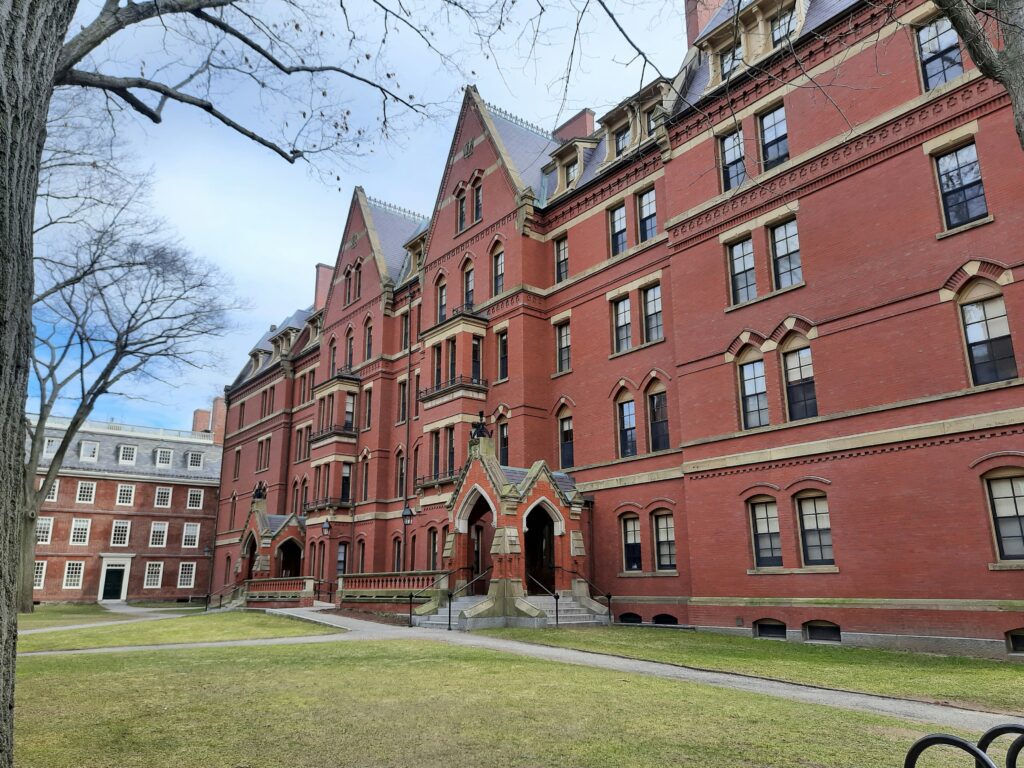
Harvard is need-blind for all applicants, including international students. It meets 100% of demonstrated financial need, ensuring that students from any background can attend. Families earning under roughly US$200,000 per year pay nothing for tuition, and many middle-income families receive substantial aid.
2. Yale University
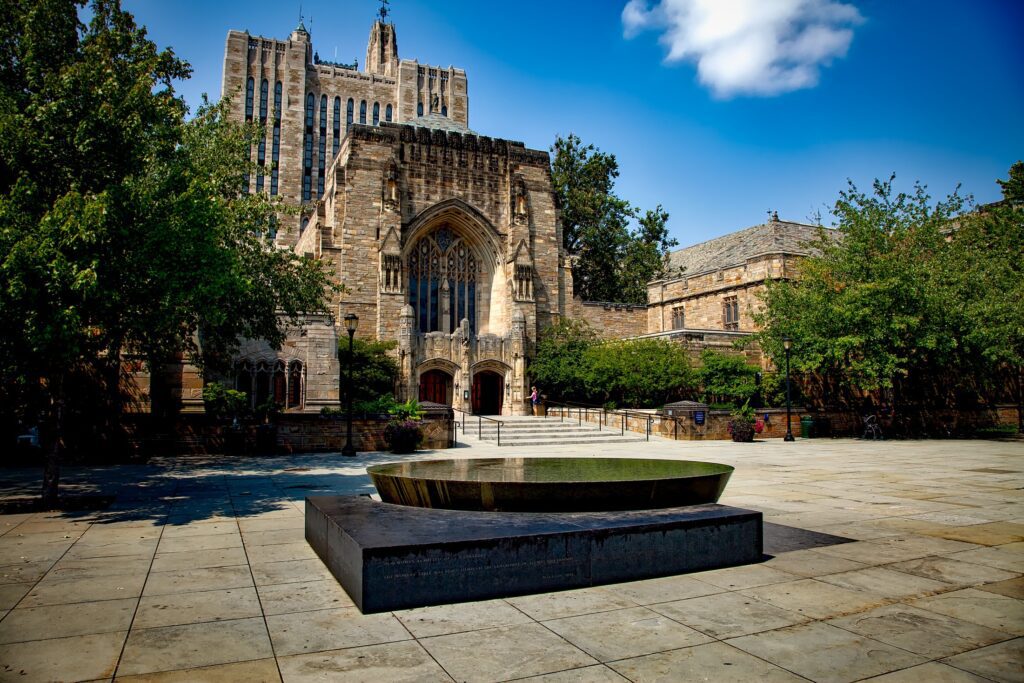
Yale offers need-blind admissions and full-need financial aid for all students. Over half of Yale undergraduates receive need-based aid, and its packages include grants rather than loans, allowing students to graduate debt-free.
3. Princeton University
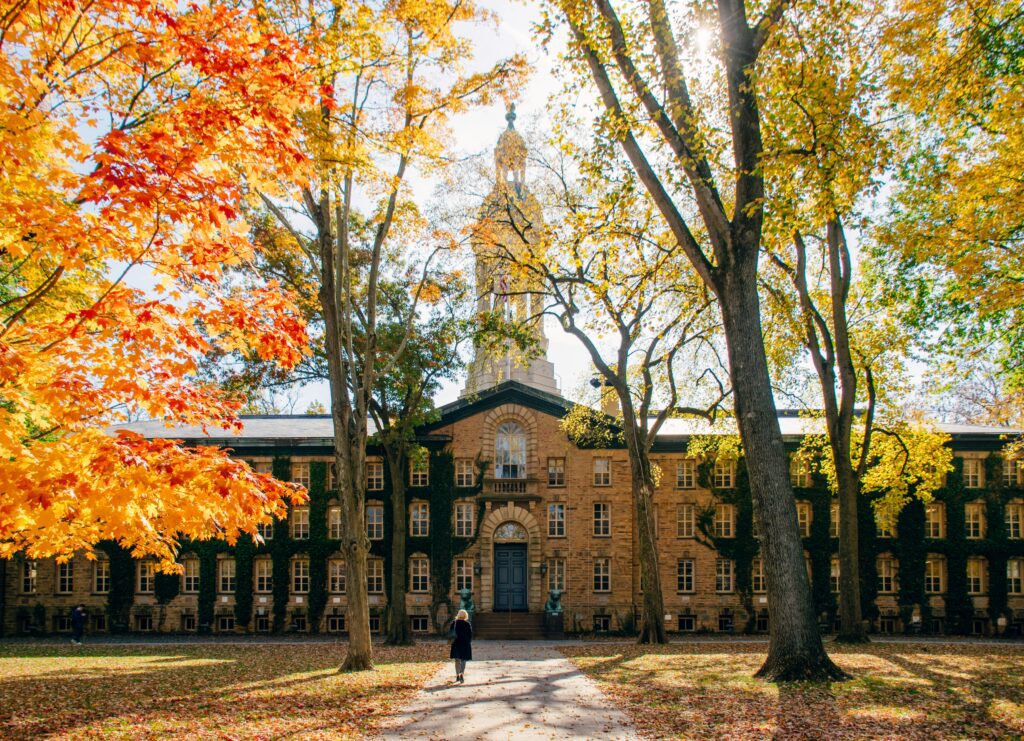
Princeton was the first university in the US to replace all loans with grants in its aid packages. It is need-blind for international applicants and guarantees full support to meet demonstrated need. Many middle-income families pay little to nothing to attend.
4. Massachusetts Institute of Technology (MIT)
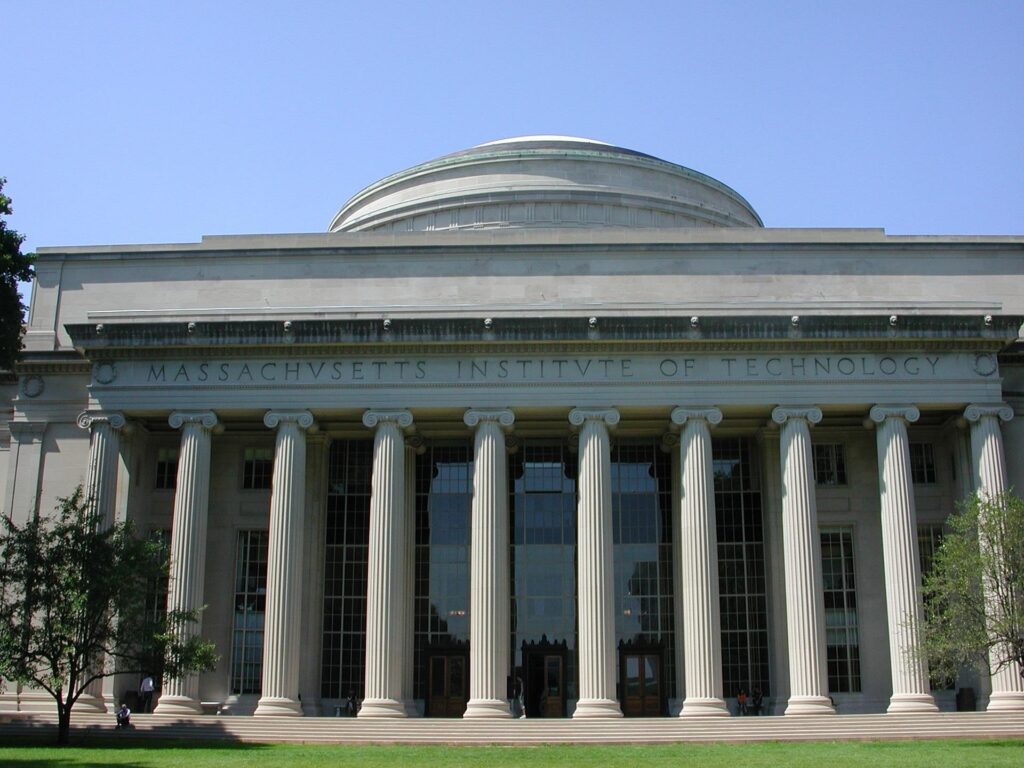
MIT is one of the few STEM-focused universities that is need-blind for all students, regardless of nationality. Around 60% of undergraduates receive need-based aid, and MIT promises to meet 100% of financial need without including loans in its offers.
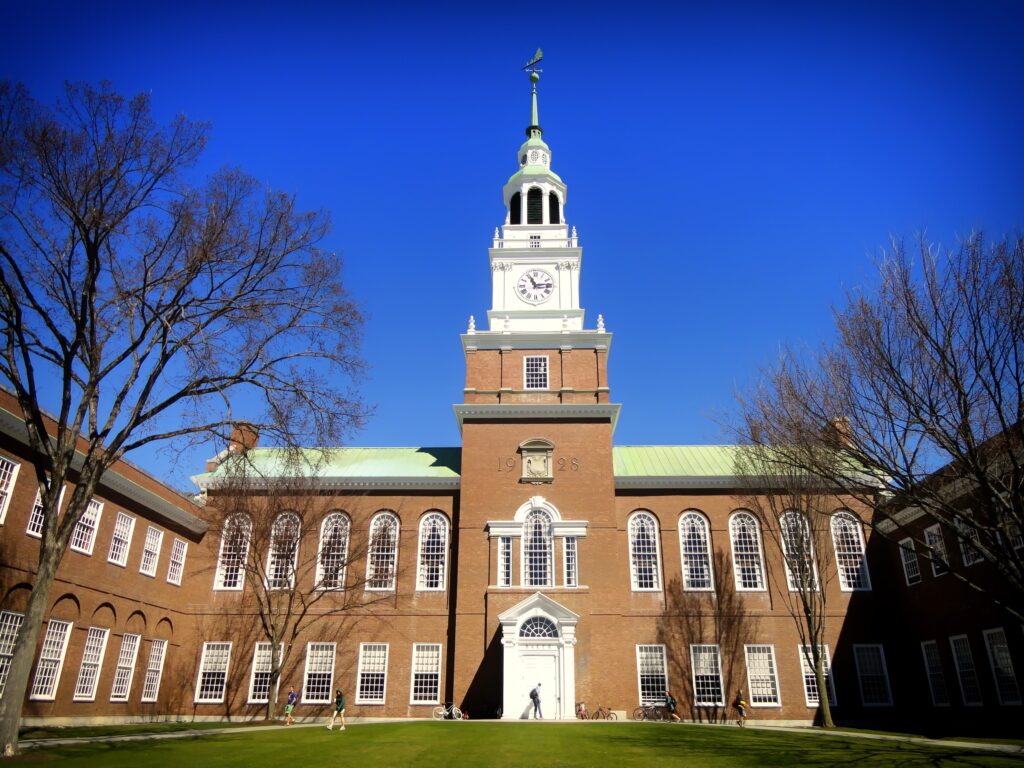
5. Dartmouth College
Dartmouth, an Ivy League institution in New Hampshire, adopted need-blind admissions for international students in 2022. It meets full demonstrated need and provides a mix of scholarships and on-campus work opportunities to support students.
6. Brown University
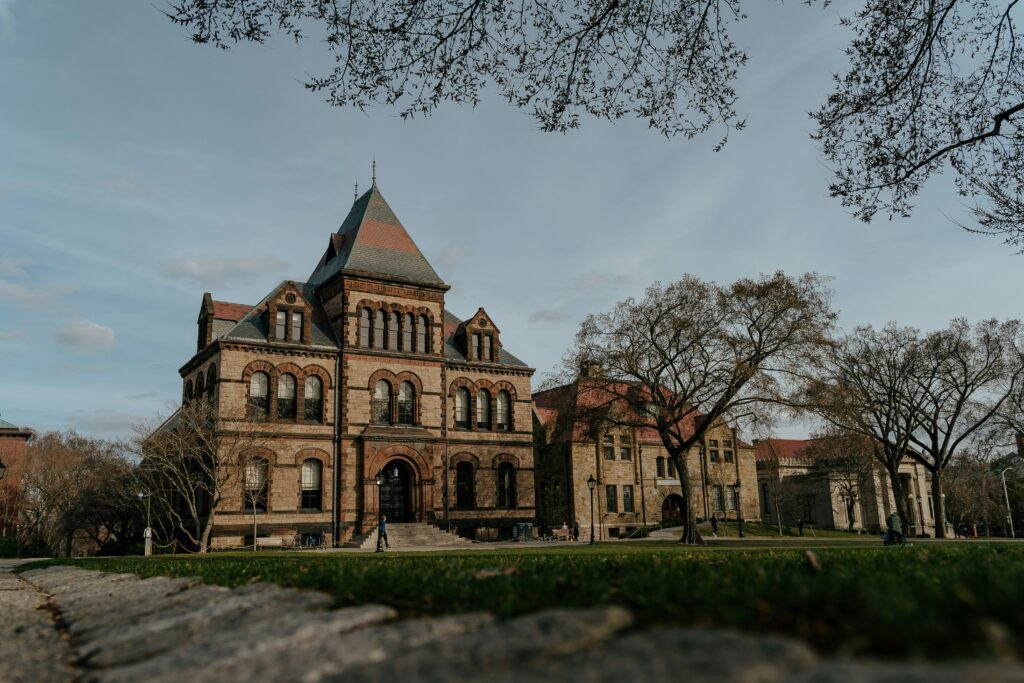
Brown University became need-blind for international applicants beginning with the Class of 2029 (students entering in 2025). It now joins the small group of universities that guarantee full need-based aid for all admitted students, regardless of country of origin.
7. Amherst College
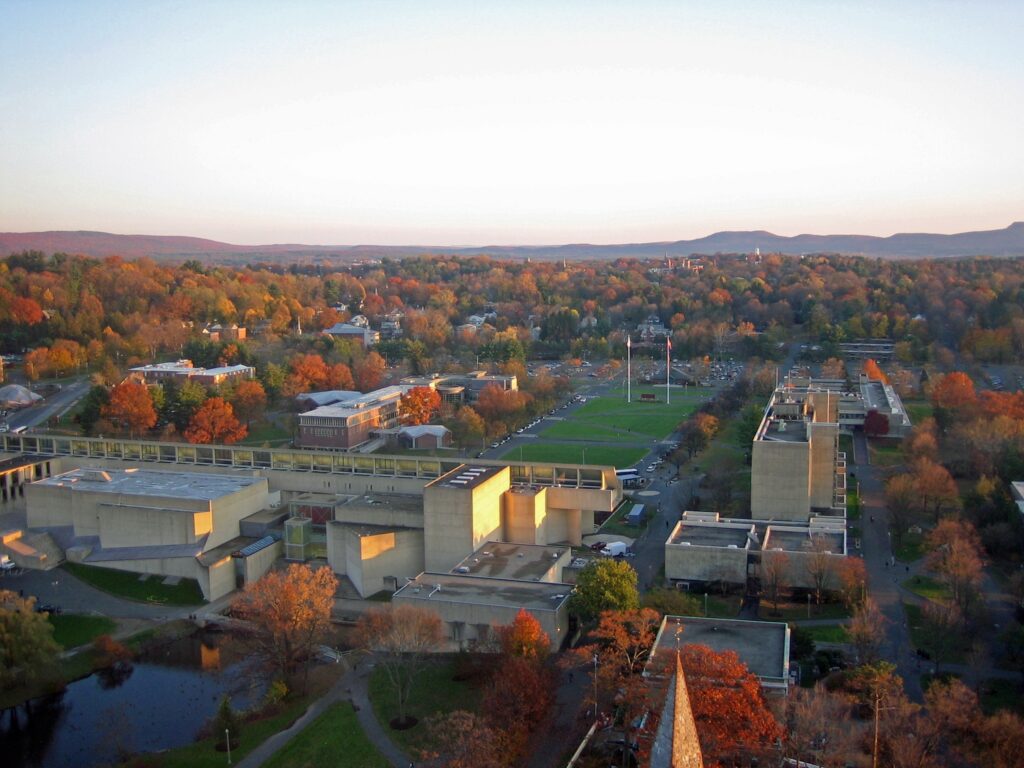
Amherst is a leading liberal arts college that has long been need-blind for international students. It meets 100% of need through scholarships and work-study opportunities, without requiring loans. Around 10% of its students are international, reflecting its global focus.
8. Bowdoin College
Bowdoin, another top liberal arts college, is also need-blind for international students. It follows a no-loan policy, meaning aid packages are composed of grants and campus employment rather than debt. This makes Bowdoin one of the most financially accessible colleges in the US.
Key Takeaways
Need-blind admissions mean that universities judge you on your potential, not your finances. For international students, these eight institutions are particularly special because they combine need-blind decisions with full-need aid.
However, because these schools are extremely competitive, students should build a balanced list that includes a mix of dream, match and safety universities. Many need-aware schools still offer generous scholarships and merit awards, which can make them equally good options depending on your goals and profile.
Next Steps
If you’re hoping to study in the US but aren’t sure where to start, focus on researching both need-blind and need-aware universities that fit your academic interests, personality and financial situation. Understanding how financial aid works early on can make a big difference when it comes time to apply.
At Ed Carpet, we specialise in helping students navigate the US and UK university admissions process. From choosing the right universities to preparing applications and understanding financial aid, our consultants guide you every step of the way.
Book a free consultation to discuss your overseas study goals and learn how to build a realistic plan for applying to top universities abroad.
Related Posts
 31 Mar
Why Don’t More Australians Study Overseas?
Studying at a top university in the US or UK can open doors to incredible opportunities. Yet, despite the prestige, career benefits, and life-changing experiences that come with studying abroad, relatively few Australian students take this path. In fact, we estimate that approximately 0.25% of Australian high school graduates choose to study their undergraduate degree […]
Read More
 17 Mar
Why Start Your University Prep in Year 9?
Applying to universities in the US and UK isn’t quite the same as putting together your university preferences in Australia. While Australian university admissions primarily focus on your ATAR, overseas applications require a more comprehensive approach that showcases years of achievement, involvement and personal growth. That’s why starting your preparation as early as Year 9 […]
Read More 07 Jul
What Are the 8 Ivy League Universities?
For many students dreaming of studying in the United States, the term “Ivy League” represents the pinnacle of academic excellence. But what exactly are the Ivy League universities, and what makes each one unique? Let’s explore these prestigious institutions. First, it’s worth noting that the term “Ivy League” originally referred to an athletic conference of […]
Read More
